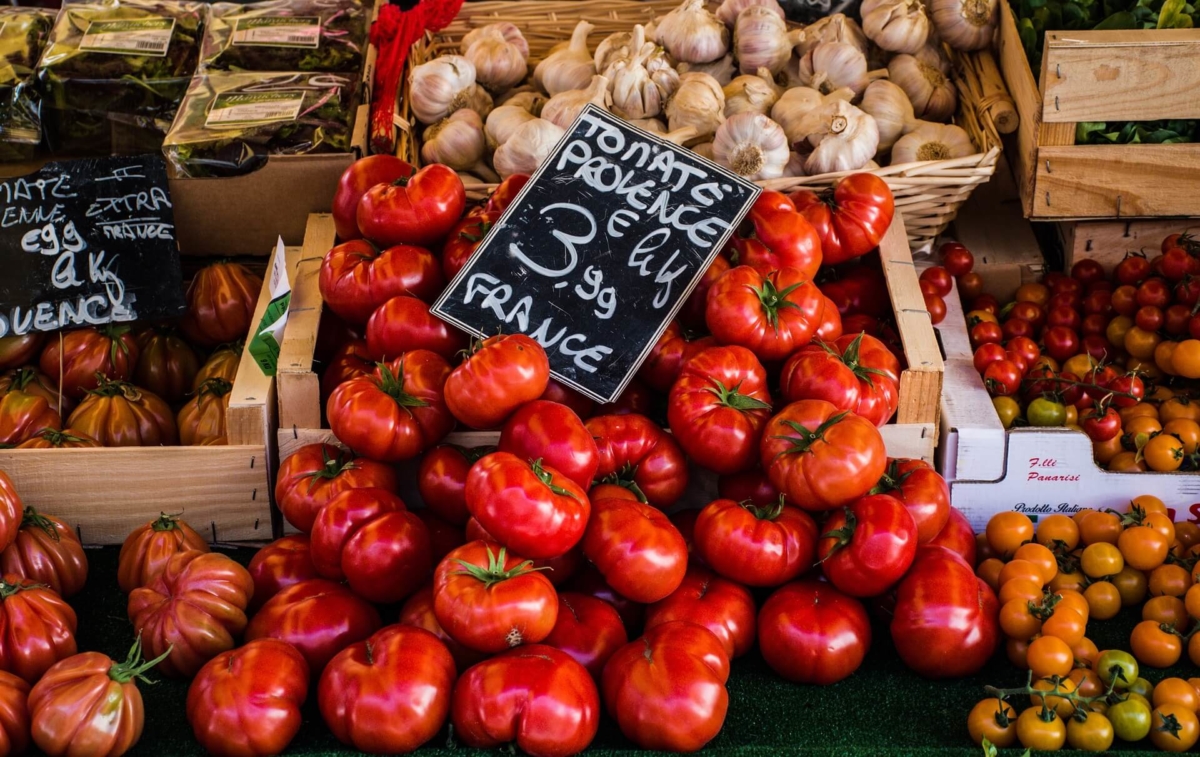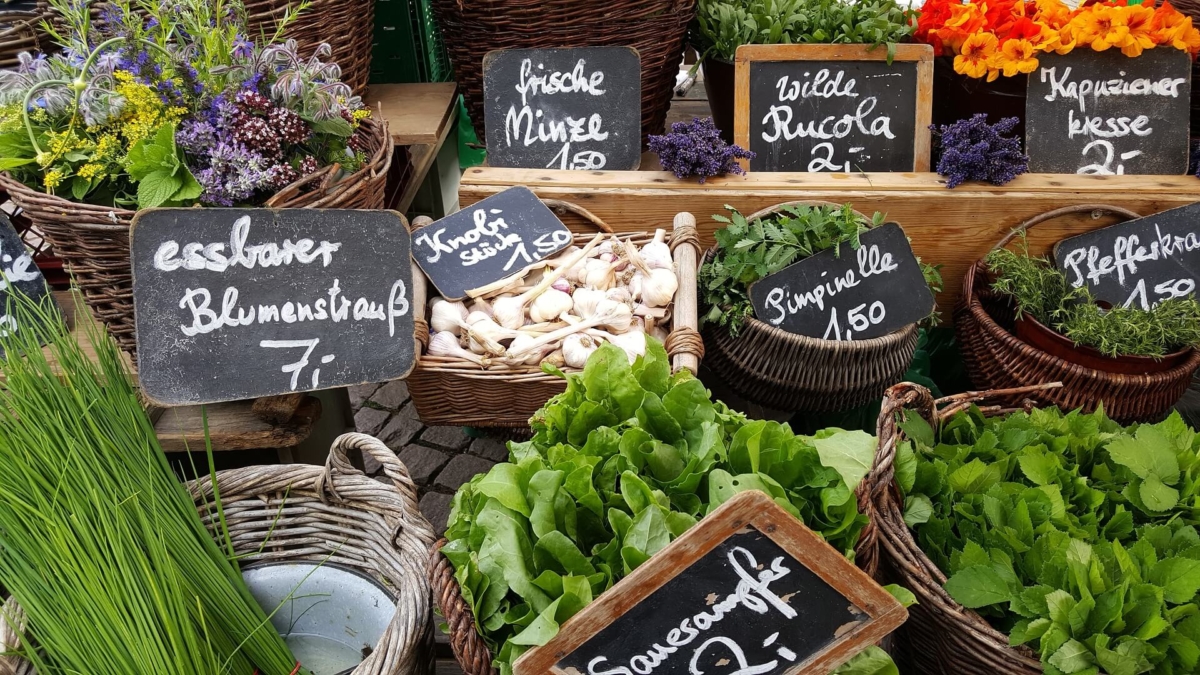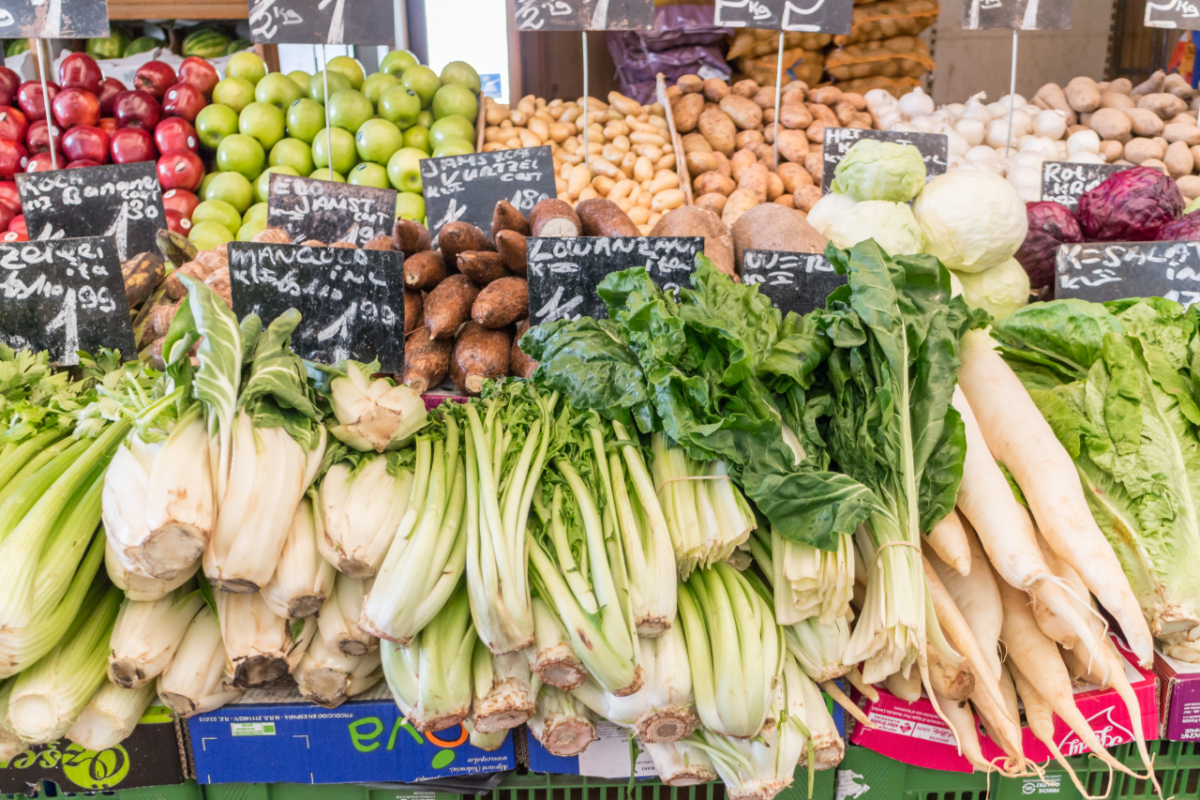
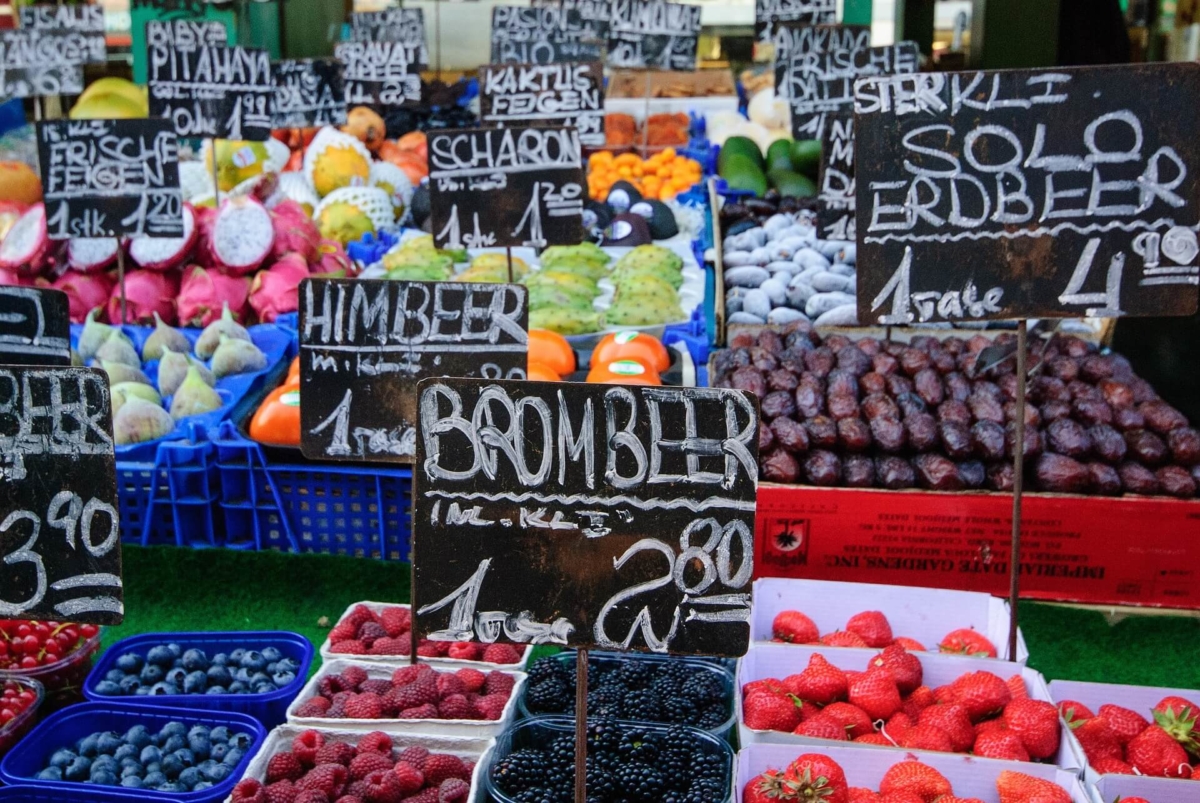
The Naschmarkt in Vienna’s 6th municipal district, Mariahilf, is with 2.315 hectares the largest inner-city market in the city. At the same time, it is an absolute fixed point on every tourism agenda in Vienna. Especially on Saturdays, the colourful and lively market is not only suitable for culinary excursions of all kinds. Because then, in addition to the bazaar stalls, hipster bars and restaurants, there is also the famous flea market at Kettenbrückengasse. So while strolling around you will find a wide range of delicacies and rarities here. With 170 sales stands, shops and restaurants, there is something for every taste. Whether you are looking for exotic spices and a bazaar feeling, rustic organic cuisine or designer food? Everything is represented at the Naschmarkt! Yes, there are no limits to international cuisine here. The Naschmarkt is home to delicacies from Europe, the Middle East and the Far East, as well as India, China and Japan.
Geography and history of the Naschmarkt
The market lies between the Linke Wienzeile (main exit towards Linz) and the Rechte Wienzeile (main entrance from the west) on the Vienna River, which is vaulted over here. On the city-centre side, the Naschmarkt begins at the Getreidemarkt (Secession) at the edge of the central Karlsplatz and extends westwards to the Kettenbrückengasse metro station. It is considered a Vienna landmark. Since around 2000, the market operation has been complemented by many catering businesses.
Historically, the Naschmarkt goes back to the Middle Ages, where it was home to Vienna’s red-light milieu. In the 18th century, the farmers’ market was relocated from the court to today’s Naschmarkt. There it quickly grew as far as the Resselpark and was rebuilt at the beginning of the 20th century according to a plan by Otto Wagner. Today’s architecture with the market’s characteristic stall buildings goes back to designs by Friedrich Jäckel during the First World War. In the 1990s, the site was finally completely renovated and equipped with electric heating and water pipes. So here you will find traditional charm paired with the most modern infrastructure.
Now a word on the origin of the name: from today’s perspective it is not entirely clear how the Naschmarkt got its name. But the name could come from the term „Aschenmarkt“ (ash market), namely because the site previously served for the deposit of ash and rubbish. After that, a small milk market was added, with milk churns made of ash wood, the so-called „Asch“. But at the latest since all kinds of nibbles („Naschereien“) have been offered on the site, the name Naschmarkt is obvious!