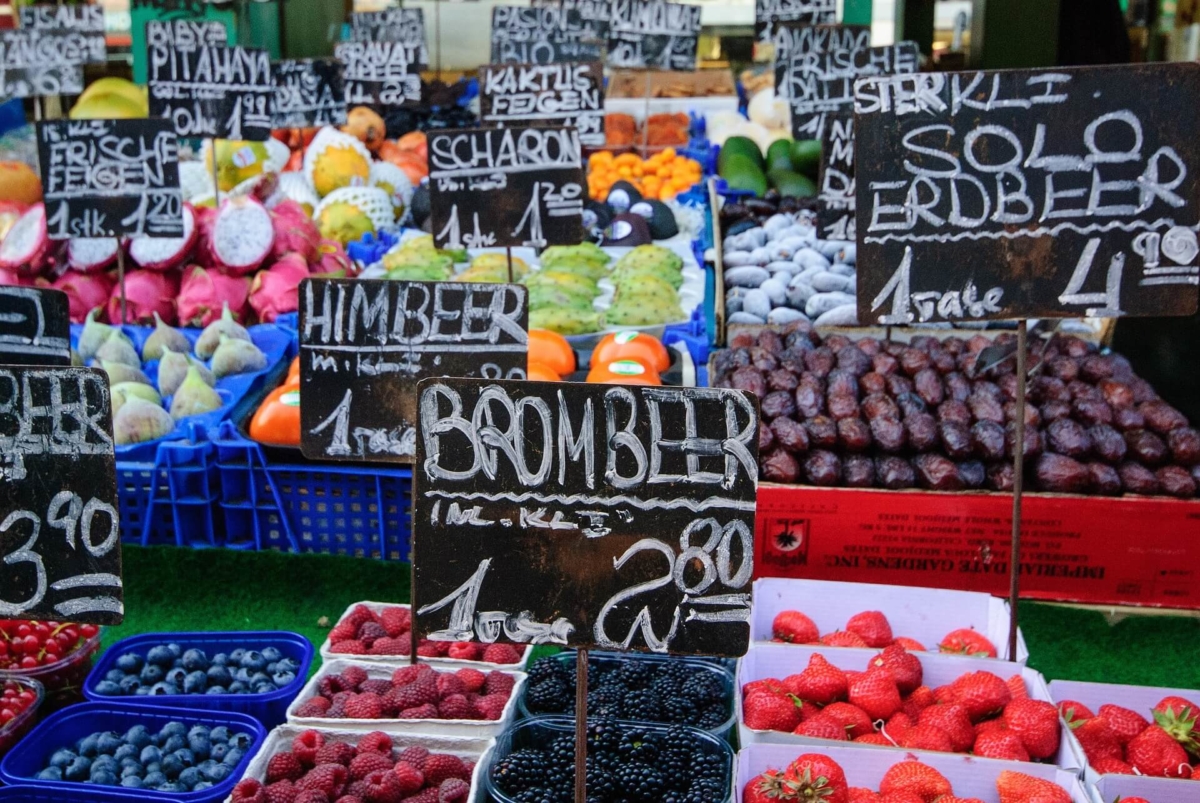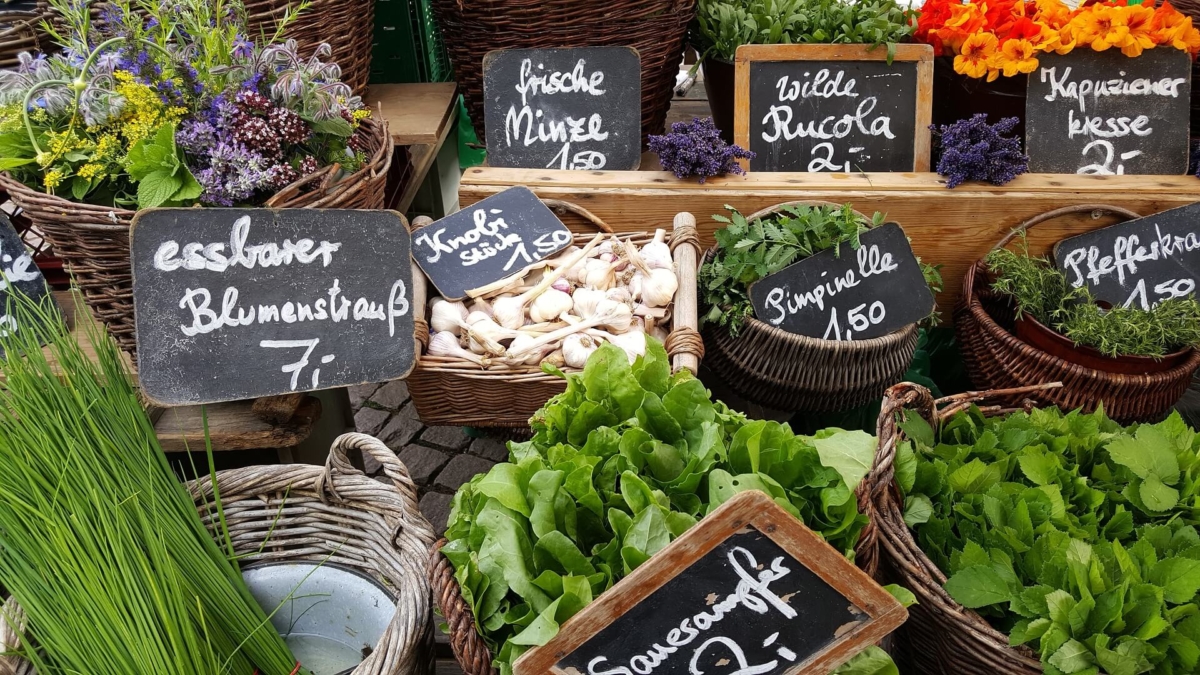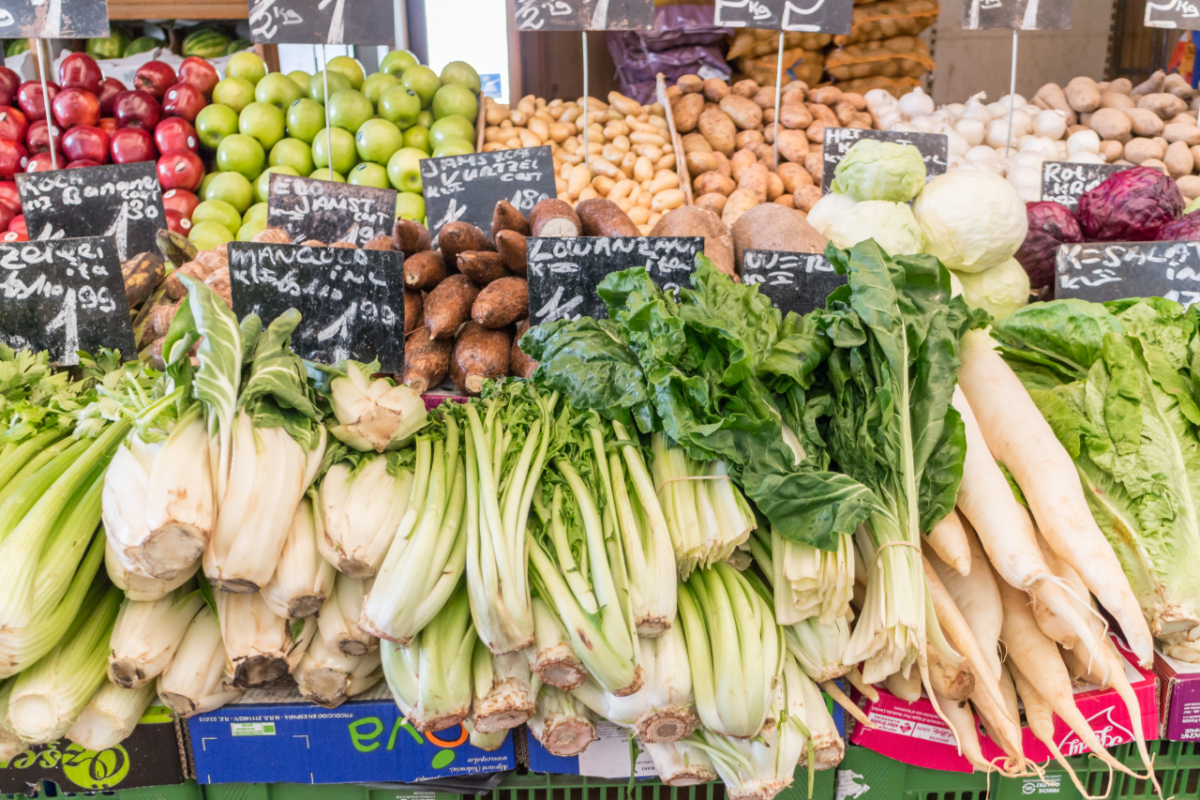
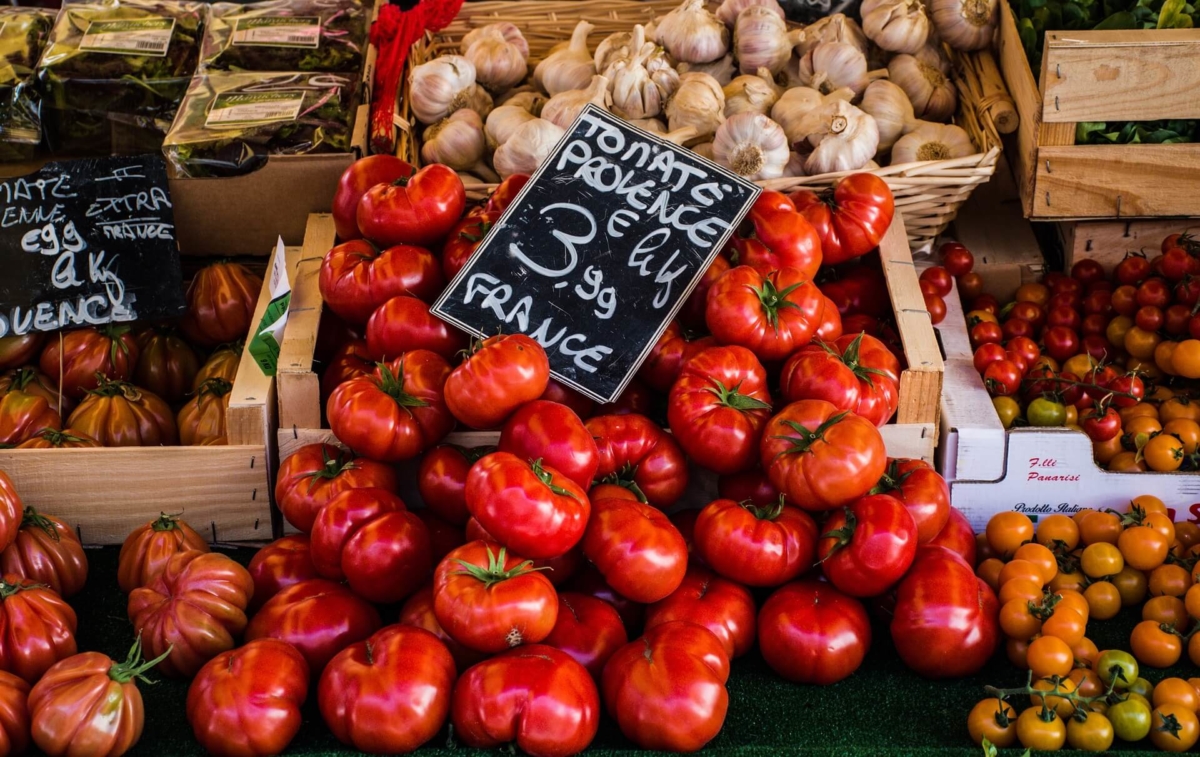
The Rochusmarkt is a typical Viennese example of “small but mighty”. Because despite its small, manageable size, it impresses with high exclusivity, a central location and a picturesque setting. Directly opposite the Rochuskirche on Landstraßer Hauptstraße, the Rochusmarkt is located on an idyllic little square with cobblestones. Around a fountain, the market stalls are housed in stylish wooden huts. On Saturdays, there are additionally free-standing market tables for fresh organic goods from local farmers. Although the Rochusmarkt is one of the smallest markets in Vienna, it impresses with its unique charm. Because here you notice a distinct slowing-down of hectic big-city life. And that although the market is very central and located directly at the U3 station Rochusgasse.
On offer, alongside fresh food, are also handicrafts and gift items, as well as clothing. Particularly striking is the rich selection of fresh flowers. This too contributes to the special charm of the Rochusmarkt. But after shopping, depending on the time of day, many more pleasures present themselves. For example, you can enjoy a hearty breakfast at the market venue Arrigo. Or would you just like a small roll at the famous and unpronounceably good Trzesniewski? At later hours, the wine bar is an insider tip. Because here, along with the wine, there are also delicious antipasti and other treats. But right next to it is also the well-known scene venue “Rochus”. Here, alongside cocktails, you are served international and Viennese cuisine in an artful way. The shopping mile around the Rochusmarkt is home to many more boutiques and exquisite shops. So the whole area invites you to an extensive stroll!
The history of the Rochusmarkt
The culinary oasis of the Rochusmarkt goes back a long way historically. Because as early as the 12th century, the site was an important trading point. In the 18th century, the market was known under the name “Augustinermarkt” and was for a long time a pure flower market. Remnants of this can still be noticed today in the rich range of flowers. But it was only in 1988 that the Rochusmarkt took on its present form. And that because it was then redesigned according to a unified concept.