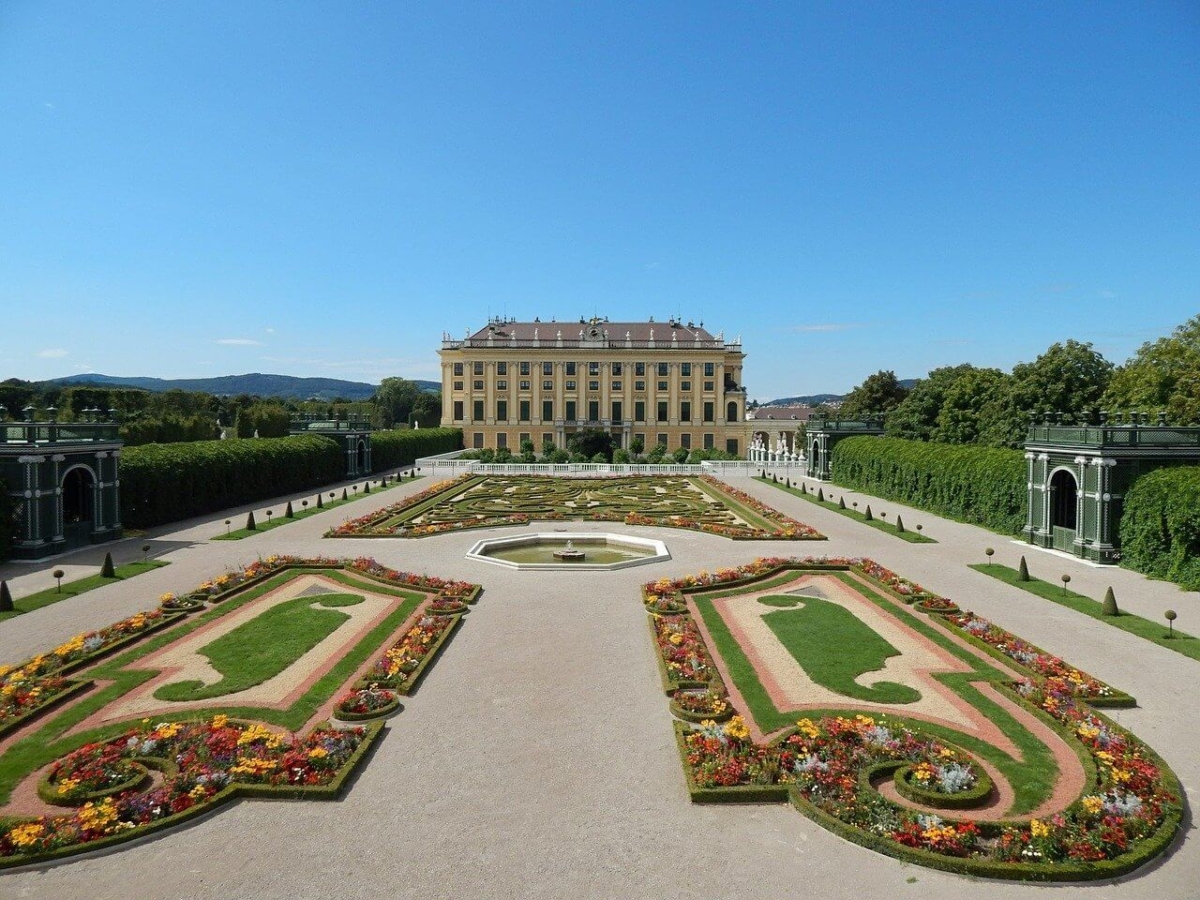
Schönbrunn Palace, together with its artfully designed gardens, is regarded as a Baroque total work of art. As such, Schönbrunn was declared a UNESCO World Heritage Site in 1996. This also makes it one of Austria’s most important cultural treasures.
History
From the middle of the 18th century, the Baroque palace was used under Maria Theresa as the summer residence of court life. From this point on, the place also served for meetings between international heads of government and diplomatic circles. Originally, the building goes back to Leopold I in the 17th century. He commissioned Johann Fischer von Erlach with the realisation of the complex.
Museum
The palace is available to visitors for viewing the originally furnished rooms of the imperial family. The impressive state rooms offer unique insights into the everyday life of crowned heads. Learn about the customs and preferences of Maria Theresa, about the daily routine of Emperor Franz Joseph or the famous wardrobe of “Sisi”, Empress Elisabeth. In the exhibition “The Habsburgs” you get comprehensive information on the history of the Habsburgs, historical facts about the empire and explanations of the monarchy.
In the “Schönbrunn Children’s Museum” area, you learn interesting facts about the family life of the imperial family in everyday life.
PALACE PARK
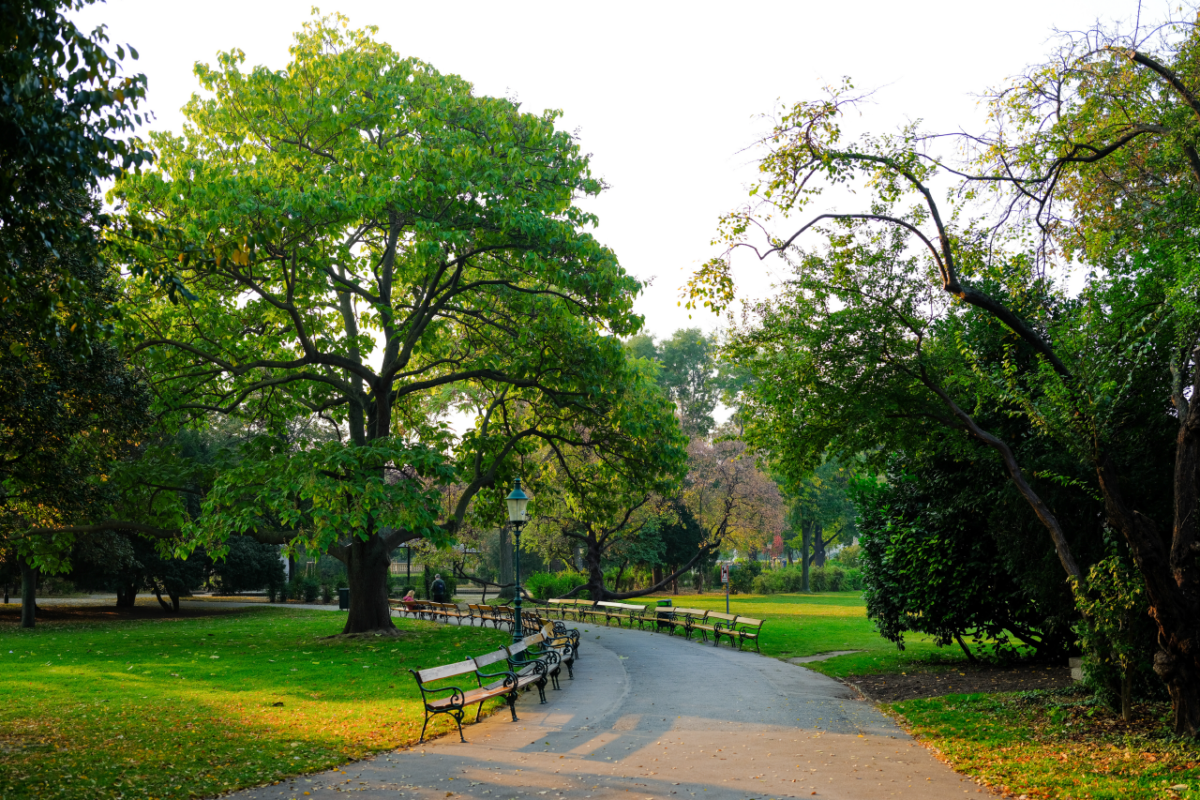
The palace park of Schönbrunn is one of the most popular leisure grounds in Vienna and goes back to the design of Johann Ferdinand Hetzendorf von Hohenberg.
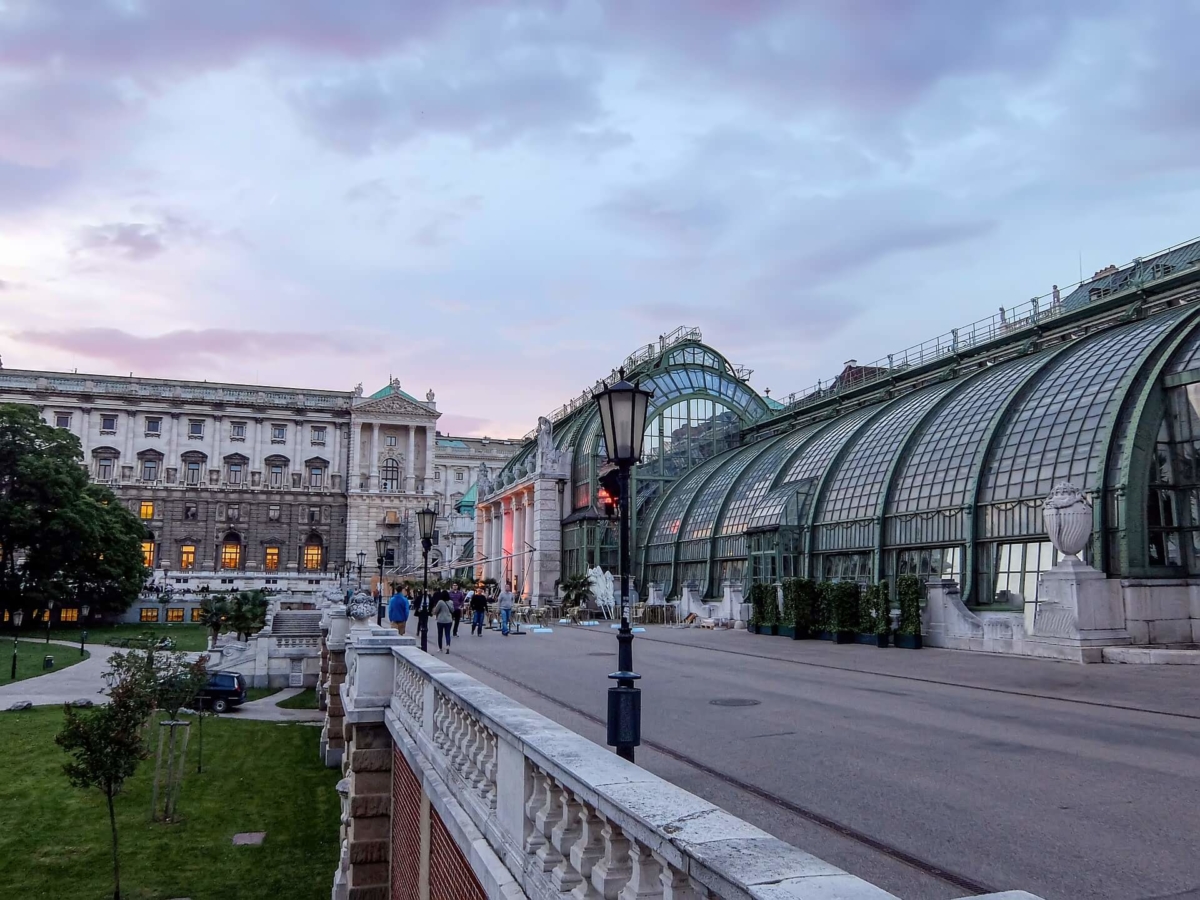
The Baroque park impresses not only with impressive fountains, statues and monuments. The ornamental gardens with bush sculptures, the Palm House, the Orangery and the Botanical Garden also contribute to the splendour of this green work of art. Even the maze is so splendid that you happily get lost there.
In addition to the Imperial Carriage Museum (Wagenburg) with the impressive fleet of the imperial family, there is another highlight of Schönbrunn:
The Gloriette, as a landmark of Vienna, is the jewel of the Schönbrunn park complex. According to plans by Hetzendorf, this colonnade structure was realised in 1775. On a hilltop, the Gloriette forms an impressive eye-catcher and vantage point in the park. It also provides a summery setting for open-air concerts and photo shoots. The early Classicist building is also a popular excursion destination.